The ledger is
the product.
Everything else — rails, wallets, dashboards, APIs — is a client of the ledger. The ledger is where money actually lives.
Sharet was founded in 2026 by four operators who have spent a combined 42 years building payments infrastructure in East Africa — at a mobile money operator, a regional bank, a cross-border fintech, and a payment switch. Our names are below. Our licence application is public. Our customer list is short on purpose.

The idea behind Sharet — one wallet that routes across every rail in East Africa — has been obvious for a decade. It has not existed because it was not technically possible until recently. Safaricom opened the M-PESA Daraja API to third parties in 2021. MTN Uganda opened its MoMo API in 2022. Airtel followed in 2023. Vodacom Tanzania opened its developer platform in 2024.
For the first time, cross-rail routing is an engineering problem, not a bilateral-contract problem. — The Sharet thesis
Before these openings, any cross-rail product required bilateral commercial agreements with each telco, in each country, individually — a multi-year business development exercise that only a bank or a very large aggregator could undertake. Today, the same capability can be built by a small, focused engineering team using public APIs.
Sharet is built on that shift. We are not the first company to notice it. We are one of the first to build the whole stack — wallet, ledger, treasury, and adapter layer — as one integrated system. That is the bet.
Payments is a regulated business. We do not pretend otherwise. Here is our regulatory posture in plain language.
The four founders of Sharet met across a decade of working on payments in East Africa. Three of them had, at various points, tried to solve the same problem from the inside of larger institutions — a mobile money operator, a regional bank, a cross-border fintech — and watched the same constraints stop the same product every time. In 2026 they built the version that finally worked.
Sharet is privately held. It has taken no outside investment. It intends to remain owner-operated for the foreseeable future. The team is small on purpose, and it will stay small on purpose until the stack is proven in the market.
These are not aspirations — they are the constraints that shape every decision the Sharet team makes. We wrote them down on day one and have not relaxed since.
Everything else — rails, wallets, dashboards, APIs — is a client of the ledger. The ledger is where money actually lives.
Ledger events are not payment events. We do not charge for moving money inside Sharet.
We do not move every customer's funds across borders. We operate local liquidity pools connected by one ledger.
Every business sees the same rate card. No negotiated side deals. No volume games.
We start in East Africa because that is where the pain is sharpest. The architecture scales across the continent.
The merchant, the trader, the individual moving money — that is who we build for. Not the boardroom.
Every person on the Sharet team is a named individual with a verifiable prior employer. We do not use anonymous roles. If we are asking you to trust us with money, you should know who we are.

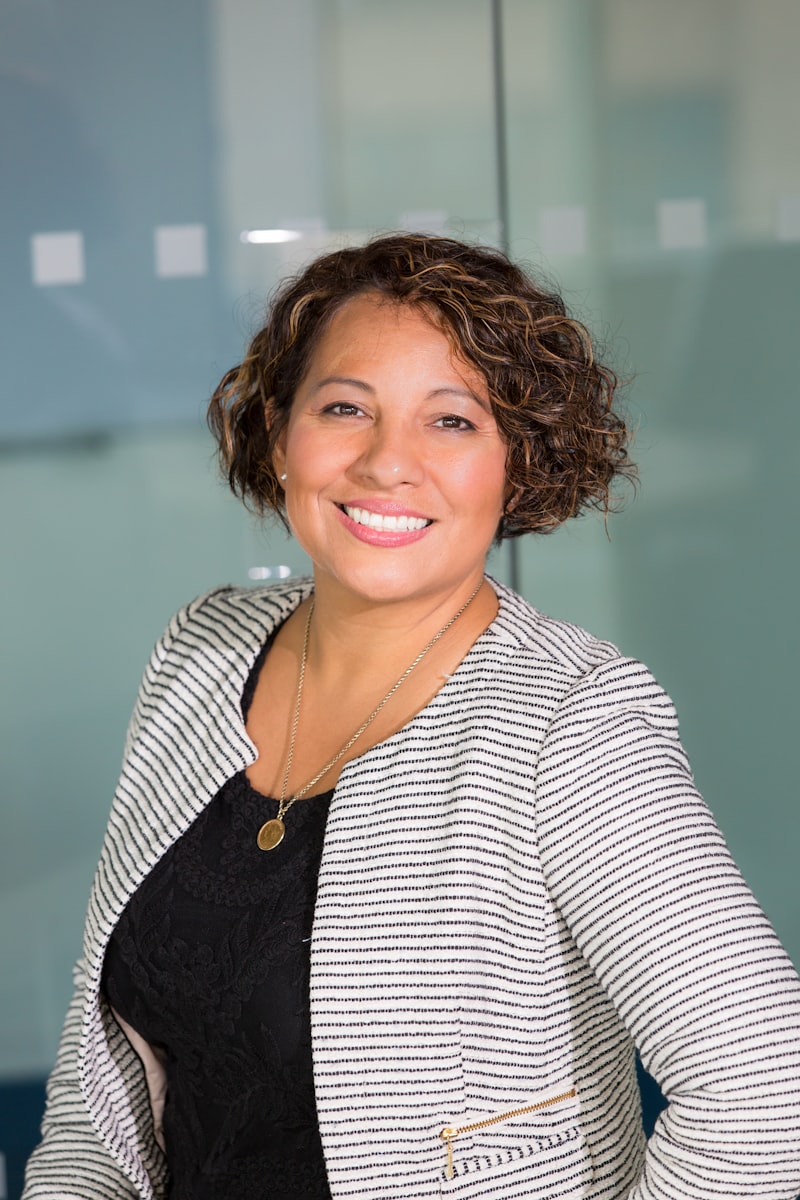






Names shown are the founding team as of September 2026 · full team list available on request
Sharet is pre-public-launch. We have three active pilot merchants in Nairobi and one event operator in Kampala. We do not have a customer logo strip yet because we have not asked our pilots for permission to name them publicly. When they go live — expected Q1 2027 — their names will appear here.
If you would like to become a pilot merchant or platform, write to us. Pilot slots are limited and prioritised for operators with real volume, real pain, and a willingness to be candid.
Become a pilotSharet's headquarters is in Nairobi. The engineering, treasury, and compliance functions are based there. Kampala and Dar es Salaam are regional presences by appointment, activated as the corresponding rails go live. We do not list offices we do not have.
 Nairobi HQ · regional by appointment
We are hiring across engineering, treasury, compliance, and partnerships — with a strong preference for people who have shipped payments infrastructure in East Africa. Every applicant gets a reply, even a no.