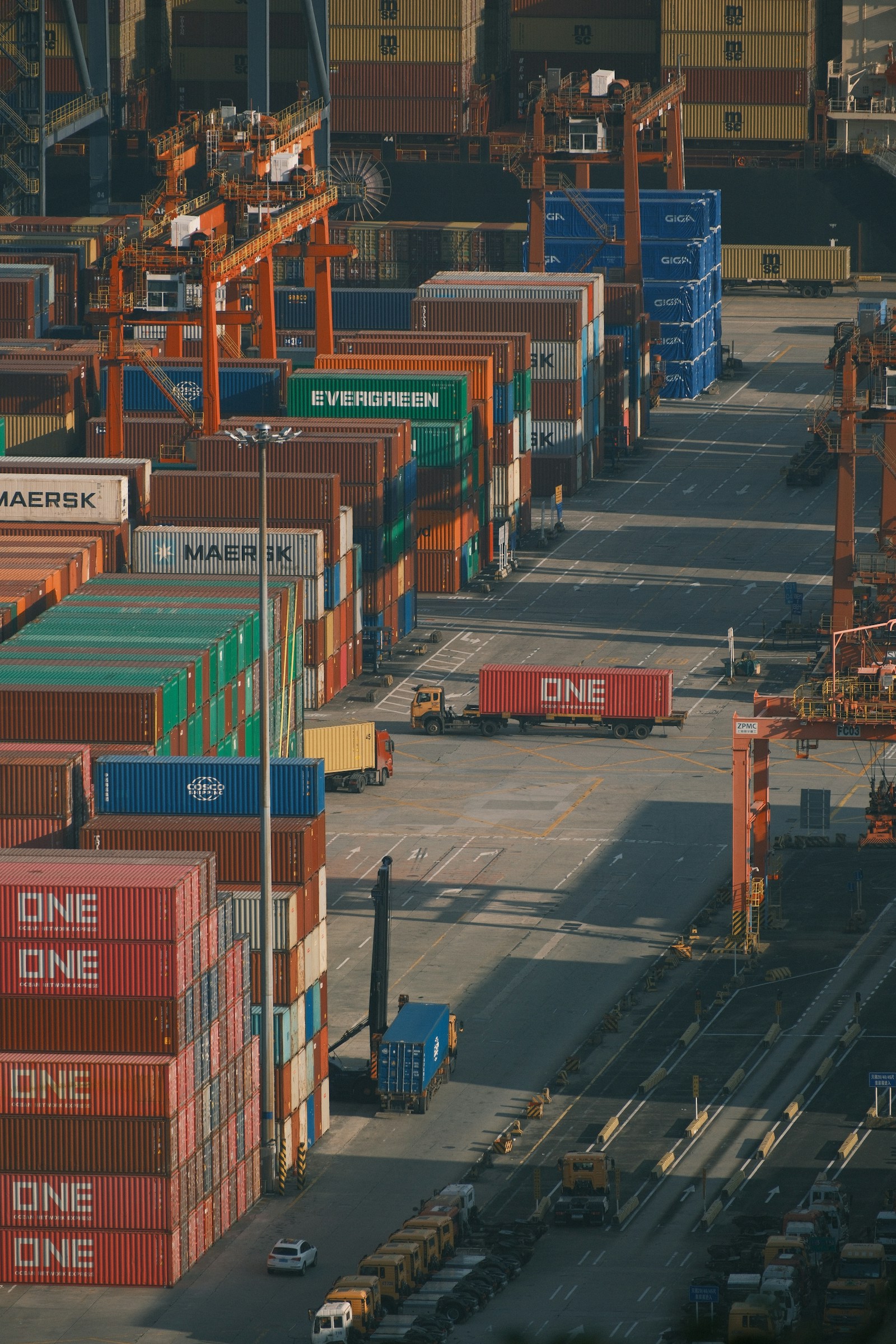
If you import goods into Kenya, there is a good chance your supplier is in China. Between January and May 2026, China supplied about 25% of everything Kenya imported, up from 22.5% a year earlier, as imports from China grew by around a third.
The shilling has been steady
For an importer, the exchange rate is the cost you feel most. Through 2026 the Kenya shilling has held close to KSh129 to the US dollar (129.02 in February, about 129.34 in mid-August), and the Central Bank reported reserves of US$14.9 billion in late August, about six months of import cover. A steady rate makes it easier to quote your own customers and plan stock.
Yuan is becoming part of the conversation
Many Kenyan traders still pay Chinese suppliers in US dollars, which means converting twice: shillings to dollars, then dollars to yuan on the supplier's side. That is starting to change. Standard Bank has been picked to process yuan (renminbi) payments for Kenya and other African countries, and traders report more interest in paying in yuan directly. Treat this as a trend to watch rather than settled practice: ask your bank and your supplier what they accept.
Four questions before you pay an invoice
- Which currency is the invoice in? Paying in the supplier's currency can save one conversion.
- What is the all-in rate? Compare the exchange rate plus every fee, not the headline fee alone.
- When does the money arrive? Delays hold up shipping and your stock.
- Can you pay later? Paying the supplier now and repaying on terms protects your cash while goods are in transit.
How Sharet Trade helps
Sharet Trade pays suppliers in China, the UAE, India and Europe, receives from buyers abroad, and settles locally in KES, TZS or UGX. With embedded trade finance, we can pay your supplier today while you repay on agreed terms, with the fee shown up front.
Planning your next order? See how Sharet Trade works.
Sources
- Business Daily: China imports increase as mega projects take off
- Central Bank of Kenya: Weekly Bulletin, 28 August 2026
- Dawan Africa: The shilling holds below KSh130
- Capital FM: China picks Standard Bank to process yuan payments
- Kenyans.co.ke: Traders shift from dollar to yuan
Cover photo: Container port, Unsplash